
Why Preparing Surfaces Correctly Matters for Kitchen Walls and Cabinets
When painting your kitchen, proper surface preparation is crucial for a long-lasting finish. This step ensures paint adheres well and withstands everyday wear and tear. Without it, even the most beautiful colors and designs can quickly deteriorate. However, many overlook this vital process, especially during home projects where cutting corners seems tempting. Here, we’ll explore why taking time to prepare surfaces makes a significant difference and how avoiding shortcuts can lead to more satisfying results.
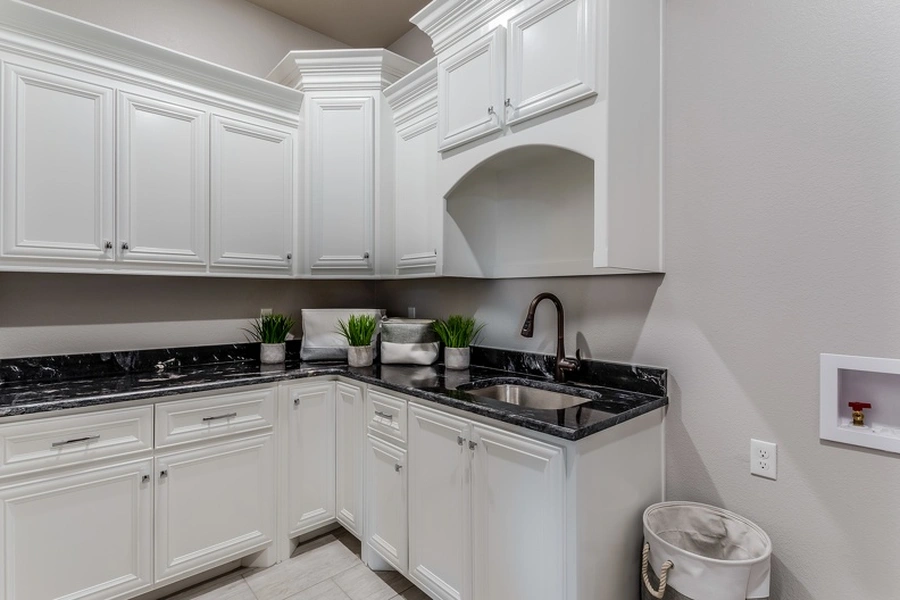
Understanding Surface Preparation in Kitchens
The kitchen environment is unique due to constant exposure to moisture and heat. These elements require extra attention when painting. Proper preparation involves cleaning, sanding, and priming surfaces before applying any paint. Each step eliminates dirt, smooths imperfections, and provides a base for paint to adhere to. Skipping these steps can result in peeling or uneven finishes that won’t last. For successful kitchen remodeling projects, understanding this foundation helps ensure every coat of paint enhances the space’s durability and appeal.
Benefits of Thorough Surface Preparation
A well-prepared surface offers several benefits. Firstly, it improves paint adhesion, ensuring the color remains vibrant over time without chipping. Secondly, it minimizes damage from water and stains, which are common in kitchens. Finally, a smooth, clean surface allows for an even application, enhancing the room’s overall look. Achieving these results requires effort and patience but significantly impacts the project’s success.
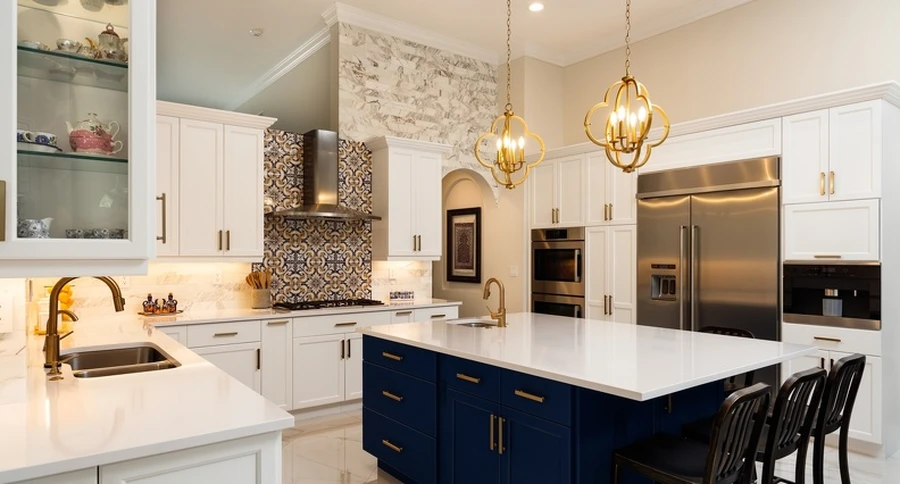
Common Mistakes During Kitchen Remodeling
During kitchen remodeling, one frequent mistake is rushing through or skipping surface preparation altogether. Some believe cleaning alone suffices, but neglecting sanding and priming can lead to subpar outcomes. Another error involves using incorrect primers or skipping them entirely, assuming they add unnecessary cost or time. Such oversights often result in poor paint performance, with colors fading fast or surfaces requiring frequent touch-ups.
Steps for Effective Surface Preparation
To prepare kitchen surfaces effectively, follow these essential steps:
- Start by thoroughly cleaning surfaces to remove grease and grime.
- Sand surfaces to create a smooth texture and eliminate imperfections.
- Apply a suitable primer tailored to the type of surface you’re painting.
- Allow each layer to dry completely before proceeding to the next.
By following these steps, you’ll set the stage for a flawless finish that endures daily kitchen activities.
Best Practices for Durable Kitchen Finishes
For lasting results, consider these best practices:
- Select high-quality materials designed for kitchen environments.
- Consult professionals for advice on products and techniques.
- Ensure adequate ventilation during painting to prevent issues with drying.
- Follow manufacturer instructions closely for all materials used.
These practices contribute to both aesthetics and durability in kitchen painting projects.
Cost Considerations for Kitchen Painting Projects
While thorough preparation may increase upfront costs slightly, it saves money long-term by reducing maintenance needs and extending paint lifespan. Investing in quality primers and paints also adds value by protecting against common kitchen challenges like humidity and food splatter. Weighing initial expenses against longevity highlights the financial wisdom of comprehensive surface preparation efforts.
Your Next Steps for Transformative Kitchen Painting
If you’re planning a kitchen update, remember that preparation sets the tone for success. Contact Castro's Painting & Renovation LLC at (706) 503-7103 for professional guidance on achieving the best results. Our team in Clarkesville, GA specializes in transforming spaces with meticulous care, ensuring your dream kitchen stands the test of time. Let us help you bring your vision to life with expertise you can trust!